



- By Admin
- 09 Oct 2025
Auspicious beginning to the life of Punyalingeshwara with Tungabhadra water
The Tungabhadra River, known as the Pampa River during the Ramayana, originates in the Western Ghats in Karnataka and is formed by the confluence of two rivers, Tunga and Bhadra. This river is not only geographically but also historically significant. The Vijayanagara Empire, which flourished in the medieval history of South India, flourished on the banks of this river. Pilgrimage sites like Hampi and Mantralayam flourished on the banks of this river. It is worth mentioning that a great power place like Sringeri is also located on the banks of the Tungabhadra River. Our elders have called the Tungabhadra one of the Panchagangas of India.
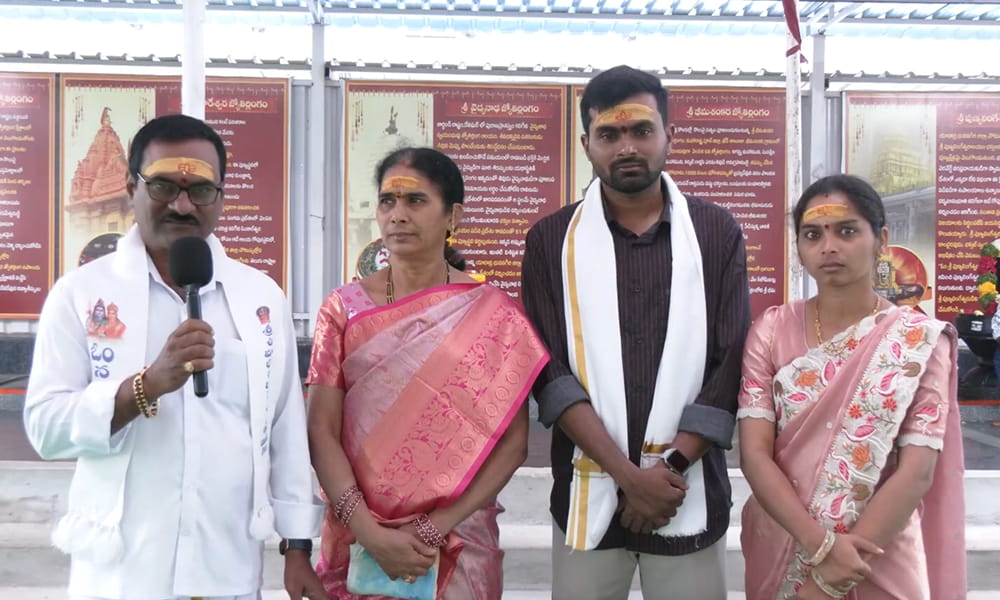
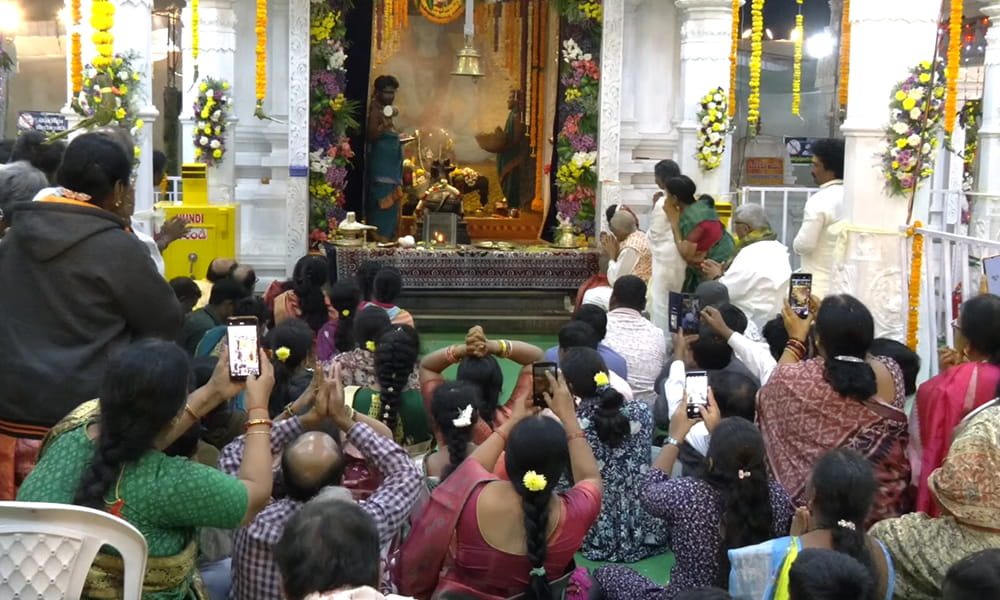
The Tungabhadra River is formed by the confluence of the Tunga and Bhadra Rivers at Kudli, which flows on the eastern slope of the Western Ghats in the state of Karnataka. At that confluence place, you can see the scene of receiving Tungabhadra river water from Kudli, the confluence of the Tungabhadra rivers, as part of the water immersion process for the sanctification of Sri Punyalingeswara Swamy. The Sri Punyalingeswara Swamy Kshetra Governing Body performed a special puja on the banks of the Tungabhadra river and received the holy river water on the banks of the confluence. Watch the miraculous play of that great god and be amazed.
రామాయణ కాలంలో పంపానదిగా పిలువబడిన తుంగభద్ర నది కర్ణాటకలో పడమటి కనుమలలో జన్మించి తుంగ, భద్ర అనే రెండు నదుల కలయిక వలన ఏర్పడినది. భౌగోళికంగానే కాకుండా చారిత్రకంగానూ ఈ నదికి ప్రాధాన్యత ఉంది. దక్షిణ భారతదేశ మధ్యయుగ చరిత్రలో వెలిసిన విజయనగర సామ్రాజ్యం ఈ నది ఒడ్డునే వెలిసింది. హంపి, మంత్రాలయం లాంటి పుణ్యక్షేత్రాలు ఈ నది ఒడ్డున వెలిశాయి. శృంగేరి లాంటి మహా శక్తి పీఠం కూడా తుంగభద్రా నది ఒడ్డునే ఉండటం ఒక విశేషమని చెప్పాలి. మన పెద్దలు తుంగభద్రను భారతదేశంలోని పంచగంగల్లో ఒకటిగా పేర్కొన్నారు.
ఈ తుంగభద్ర నది కర్ణాటక రాష్ట్రంలో పశ్చిమ కనుమలకు తూర్పు వాలులో ప్రవహించే కూడ్లి వద్ద తుంగా నది, భద్ర నది సంగమం ద్వారా ఏర్పడుతుంది. ఆ సంగమ ప్రదేశంలో శ్రీ పుణ్య లింగేశ్వర స్వామివారి ప్రాణప్రతిష్టకై జలాధివాస ప్రక్రియలో భాగంగా తుంగభద్రా నదుల సంగమ ప్రాంతమైన కూడ్లీ నుండి తుంగభద్రా నదీజలాన్ని స్వీకరిస్తున్న దృశ్యాన్ని మీరు కనులారా చూడవచ్చు.
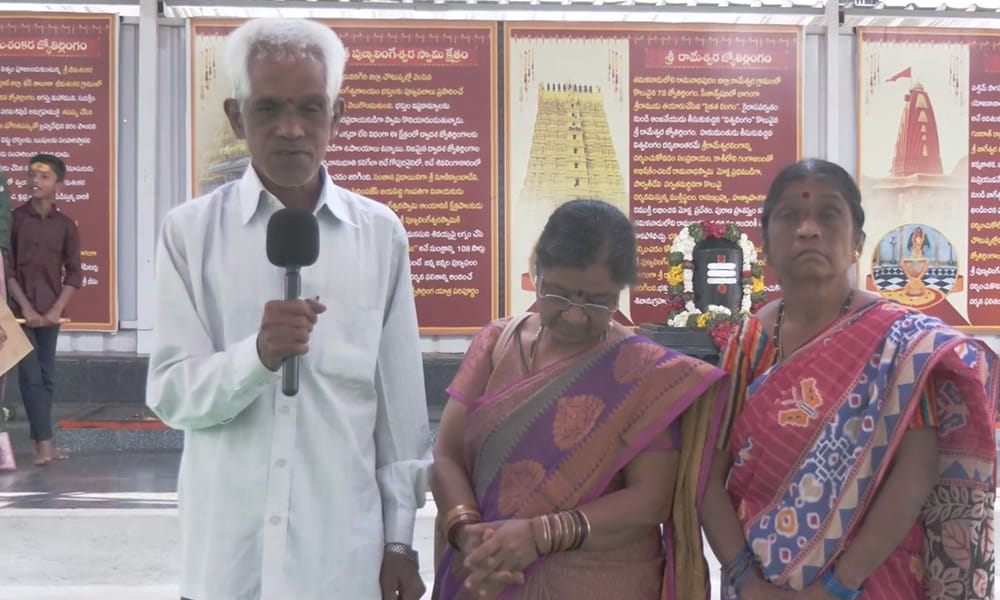
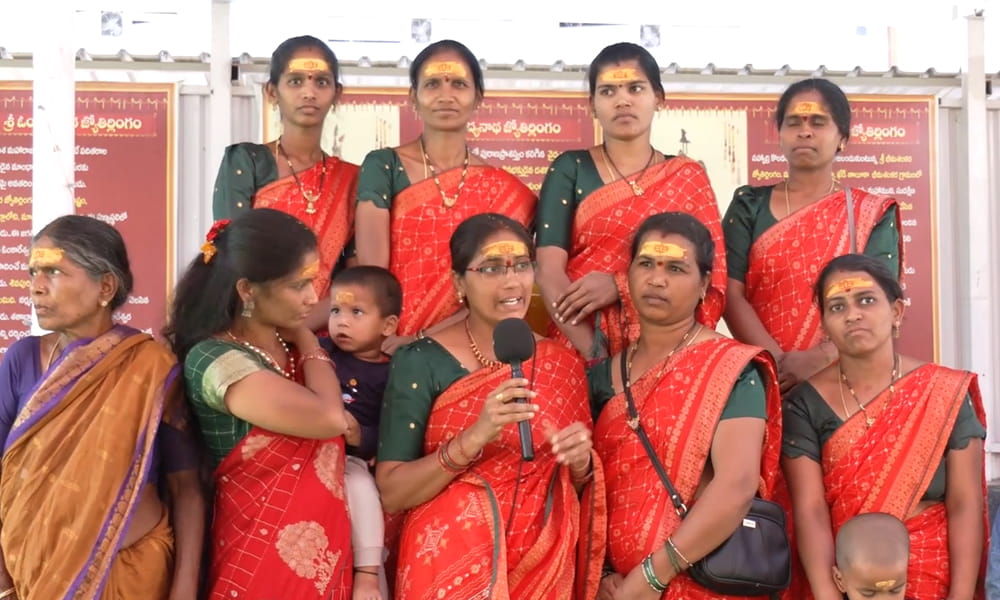
శ్రీ పుణ్యలింగేశ్వర స్వామి క్షేత్రం పాలకమండలి తుంగభద్రానదీ తీరాన ప్రత్యేకముగా పూజ జరిపించి సంగమ తీరంలో పవిత్ర నదీజలాన్ని స్వీకరించారు.ఆ మహా దేవుడి అద్భుత లీలను చూసి తరించండి. భారతదేశములోనే మొట్టమొదటి సారిగా శ్రీ పుణ్యలింగేశ్వర స్వామివారి విగ్రహప్రతిష్ఠ మహోత్సవానికి పంచనదులు బంగాళాఖాతములో కలిసే సంగమ ప్రాంతములో పవిత్ర జలమును స్వీకరించి స్వామివారి ప్రాణ ప్రతిష్ఠకై ఉపయోగించే జలాధివాసానికి తుంగభద్రానదీ జలాన్ని తుంగ భద్ర నదుల సంగమ ప్రాంతమైన కూడ్లీ వద్ద మొదటి జలాన్ని సేకరిస్తున్న దృశ్యాన్ని చూడండి.
ఇది పుణ్యలింగేశ్వరుడు ఏర్పరచిన పుణ్య కార్యం కనుకనే ప్రపంచ విశిష్టతను సంతరించుకోబోతున్నది. ఆ పాలక మండలి మాటలు కూడా విందాము.ఈ తుంగ భద్రా నది ఎలా ఏర్పడిందో మీకు తెలుసా? మన పురాణం కథనం ప్రకారం విశ్వకర్మ రూపొందించిన అస్త్రాలలో కాలచక్రాన్ని పరమేశ్వరుడు శ్రీమ మహా విష్ణువుకు అందిస్తూ " శిష్ట రక్షణ దుష్ట శిక్షణ" గావించుటకు ఈ సుదర్శన చక్రాన్ని విష్ణు చక్రముగా భావించి జగద్ధిత పరిపాలన గావించమని అందించాడు.
రాక్షస జాతి సంహరణకై దశావతారాలుగా అవతరించాడు. ఆ అవతారాలలో మూడవ అవతారమైన వరాహావతారమెత్తి హిరణ్యాక్షుడు అనే రాక్షసుడిని సంహరించాడు. సంహరించిన తరువాత వరాహ స్వామి బాగా అలసటకు గురియై ఒక పర్వతం మీద కూర్చున్నాడు.ఆ పర్వతాన్నే ఇప్పుడు వరాహ పర్వతం అని పిలుస్తుంటారు. ఆ పర్వత ప్రాంతం వద్ద కూర్చుని విశ్రాంతి తీసుకుంటుండగా తన శిరస్సు నుండి చెమట ప్రవహించడం ప్రారంభమైంది. ఎడమ వైపు భాగమునుండి ప్రవహించే చెమట తుంగా నదిగాను, కుడి వైపు భాగము నుండి ప్రవహించే చెమట భద్రా నదిగా మారాయని చెబుతుంది. నిజానికి తుంగ, భద్ర నదులు రెండూ ఒకే మూలం. దీనినే గంగమూల అంటారు.
ఆ ప్రదేశంలో ప్రారంభమైనప్పటికీ, అవి కొంత దూరం విడివిడిగా ప్రవహిస్తాయి, తరువాత అవి కూడలి గ్రామంలో ఒకదానితో ఒకటి కలిసిపోతాయి. అక్కడ నుండి, మిశ్రమముగా కలిసి ప్రవహిస్తాయి కనుకనే దీనికి తుంగభద్ర నది అనే పేరు సార్ధకమైనదని మన పూర్వీకులు చెబుతుంటారు. అలాంటి పుణ్య నదిని తెలంగాణ యాదాద్రి భువన గిరి జిల్లా చౌటుప్పల్లో కొలువైన శ్రీ పుణ్యలింగేశ్వర స్వామి క్షేత్రం నుండి బయలుదేరి కర్ణాటక రాష్ట్రములో ఉన్న కూడ్లీ ప్రాంతానికి చేరుకొని తుంగభద్రా నదీజలాన్ని అతి కష్టతర సాధ్యంగా సేకరించారు. ఆ ప్రాంతములో కొలువైన నరసింహుని దర్శించుకుని పుణ్యలింగేశ్వరుని విగ్రహప్రతిష్ఠామహోత్సవ ఆహ్వానాన్ని పూజారులకు అందించి విషయాన్నీ తెలిపారు ఆ దృశ్యాన్ని కూడా కనులారా చూడండి. ఏది ఏమైనా ఇది చరిత్రలో నిలిచిపోయే మహా పుణ్య కార్యమనే చెప్పాలి.
रामायण काल में पंपा नदी के नाम से प्रसिद्ध तुंगभद्रा नदी कर्नाटक राज्य की पश्चिमी घाटों में उत्पन्न होती है। यह तुंगा और भद्रा नामक दो नदियों के संगम से बनती है। यह नदी केवल भौगोलिक दृष्टि से ही नहीं, ऐतिहासिक दृष्टि से भी अत्यंत महत्वपूर्ण है। दक्षिण भारत के मध्ययुगीन इतिहास में प्रसिद्ध विजयनगर साम्राज्य इसी नदी के तट पर फला-फूला था। हम्पी, मंत्रालयम जैसे पवित्र तीर्थस्थान इस नदी के किनारे स्थित हैं। श्रृंगेरी जैसी महाशक्ति पीठ भी तुंगभद्रा नदी के तट पर स्थित होना एक विशेष बात कही जाती है। हमारे पूर्वजों ने तुंगभद्रा को भारत की पंचगंगाओं में से एक बताया है।
यह तुंगभद्रा नदी कर्नाटक राज्य में पश्चिमी घाटों की ढलानों पर स्थित कूडलि नामक स्थान पर तुंगा और भद्रा नदियों के संगम से बनती है। उसी संगम स्थल पर श्री पुण्यलिंगेश्वर स्वामी की प्राण प्रतिष्ठा के लिए जलाधिवास प्रक्रिया के एक भाग के रूप में तुंगभद्रा नदी के इस संगम क्षेत्र कूडलि से पवित्र जल लाने का दृश्य आप अपनी आंखों से देख सकते हैं।
श्री पुण्यलिंगेश्वर स्वामी क्षेत्र के प्रबंध मंडल ने तुंगभद्रा नदी के तट पर विशेष पूजा आयोजित कर संगम तट से पवित्र नदी का जल ग्रहण किया। उस महान देवता की अद्भुत लीला का दर्शन करें। यह भारत में पहली बार हो रहा है कि श्री पुण्यलिंगेश्वर स्वामी की मूर्ति प्रतिष्ठा महोत्सव के लिए पंचनदियों के बंगाल की खाड़ी में मिलने वाले संगम क्षेत्रों से पवित्र जल लाकर जलाधिवास के लिए उपयोग किया जा रहा है। तुंगभद्रा नदी का जल कूडलि में तुंगा-भद्रा संगम से पहली बार संग्रह किया गया — यह दृश्य अत्यंत पावन है।
यह पुण्यलिंगेश्वर स्वामी द्वारा किया गया एक पवित्र कार्य है, जो विश्व स्तर पर विशिष्टता प्राप्त करने वाला है। प्रबंध मंडल के शब्द भी सुनें। क्या आप जानते हैं कि यह तुंगभद्रा नदी कैसे बनी? हमारे पुराणों के अनुसार, विश्वकर्मा द्वारा निर्मित अस्त्रों में से कालचक्र को भगवान शंकर ने भगवान विष्णु को प्रदान करते हुए कहा कि “शिष्टों की रक्षा और दुष्टों का दमन” करने हेतु इस सुदर्शन चक्र के माध्यम से जगत की रक्षा करें।
राक्षसों के संहार हेतु भगवान ने दशावतारों के रूप में अवतार लिए। उन्हीं में तीसरे अवतार — वराह अवतार में — भगवान ने हिरण्याक्ष नामक राक्षस का संहार किया। युद्ध के बाद वराह स्वामी अत्यंत थक गए और एक पर्वत पर विश्राम किया, जिसे आज "वराह पर्वत" कहा जाता है। विश्राम करते समय उनके मस्तक से पसीना बहने लगा — बाईं ओर से बहने वाला पसीना तुंगा नदी बनी और दाईं ओर से बहने वाला पसीना भद्रा नदी बनी। वास्तव में दोनों नदियाँ एक ही मूल से निकली हैं, जिसे गंगामूल कहा जाता है।
यद्यपि दोनों नदियाँ एक ही स्थान से आरंभ होती हैं, फिर भी कुछ दूरी तक अलग-अलग बहती हैं और बाद में कूडलि नामक ग्राम में मिल जाती हैं। उसके बाद वे एक होकर बहती हैं, इसलिए इस संयुक्त नदी को “तुंगभद्रा नदी” कहा गया। ऐसी पवित्र नदी का जल तेलंगाना राज्य के यदाद्री भुवनगिरी जिले के चौटुप्पल में स्थित श्री पुण्यलिंगेश्वर स्वामी क्षेत्र से प्रतिनिधि मंडल कर्नाटक राज्य के कूडलि क्षेत्र तक जाकर अत्यंत कठिनाई से लेकर आया। उस क्षेत्र में स्थित भगवान नरसिंह का दर्शन कर पुण्यलिंगेश्वर स्वामी की प्रतिष्ठा महोत्सव का आमंत्रण पुजारियों को प्रदान किया गया — उस दृश्य का भी साक्षात्कार करें।
निस्संदेह, यह इतिहास में अमर रहने वाला एक महान पुण्य कार्य है।
0 Comments